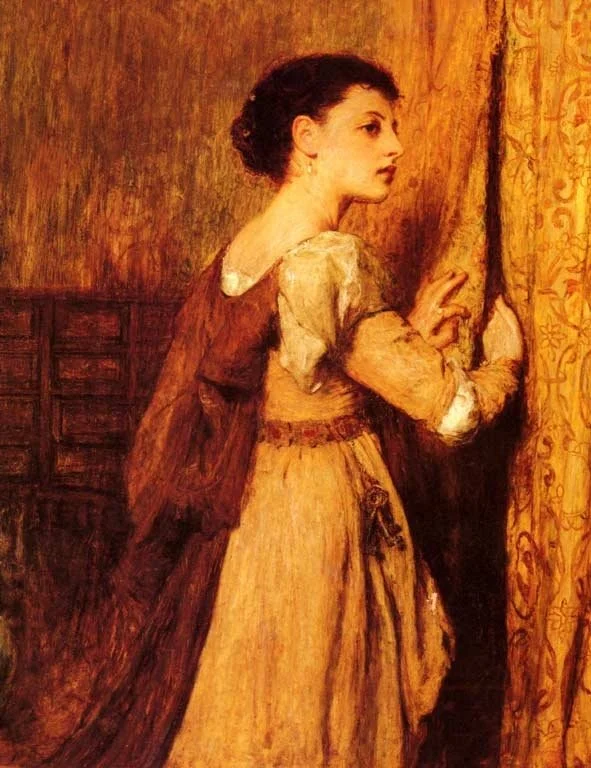
Interior Lives
Sir William Quiller Orchardson, RA (Scottish, 1832–1910)
Jessica
1877
Oil on canvas
Exhibited at the Royal Academy in 1877, this painting is generally understood as Orchardson’s final sustained engagement with Shakespearean subject matter. Drawn from The Merchant of Venice, the work deliberately withholds narrative action and moral resolution, isolating instead a moment of psychological hesitation. Gesture is restrained, expression subdued, and the figure held in suspension between decision and c ohonsequence. In Jessica, Orchardson extracts from Shakespeare a language of interior pressure that would become the foundation of his mature practice, presaging later works such as Marriage de Convenance and The First Cloud.

Metrology and Trust
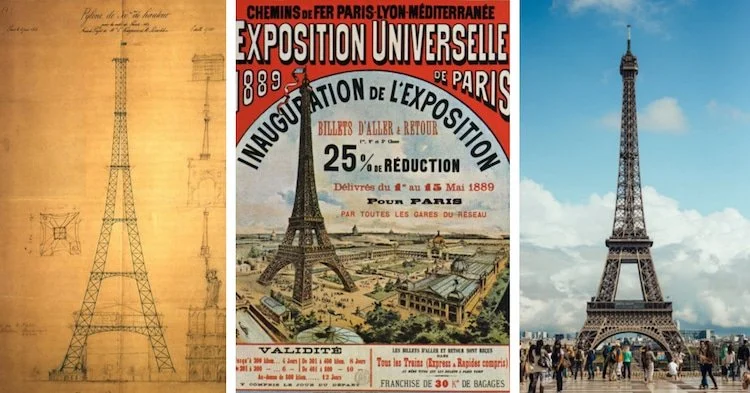
The Goodbrand & Co. skein winder form echoes the principles of late-19th-century structural rationalism: a flared base, tapered vertical profile, and voided load-bearing members designed to maximize rigidity while minimizing material. This exposed structural logic—shared by contemporary railway infrastructure and landmark iron constructions such as the Eiffel Tower—is not decorative but functional, making the forces acting within the object visually legible.
Who Is William Walton?
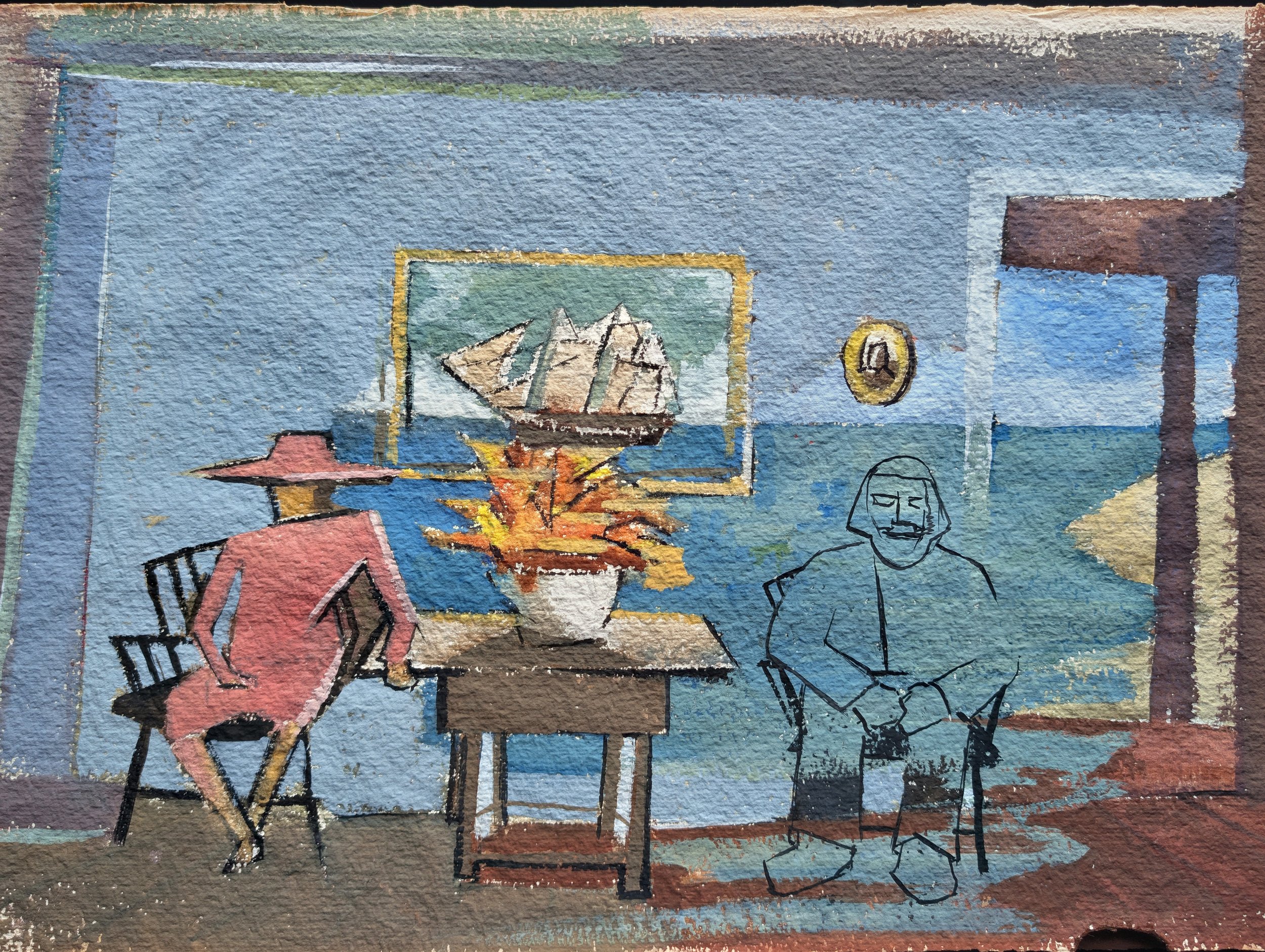
“The Death of Hemingway” Cassein on rag paper attributed to William Walton c. 1961 (American painter, 1909-1999).

Custodians in DC
President John F. Kennedy with William Walton hanging artwork in the White House, Washington, D.C., early 1961. Photograph by Cornell Capa.
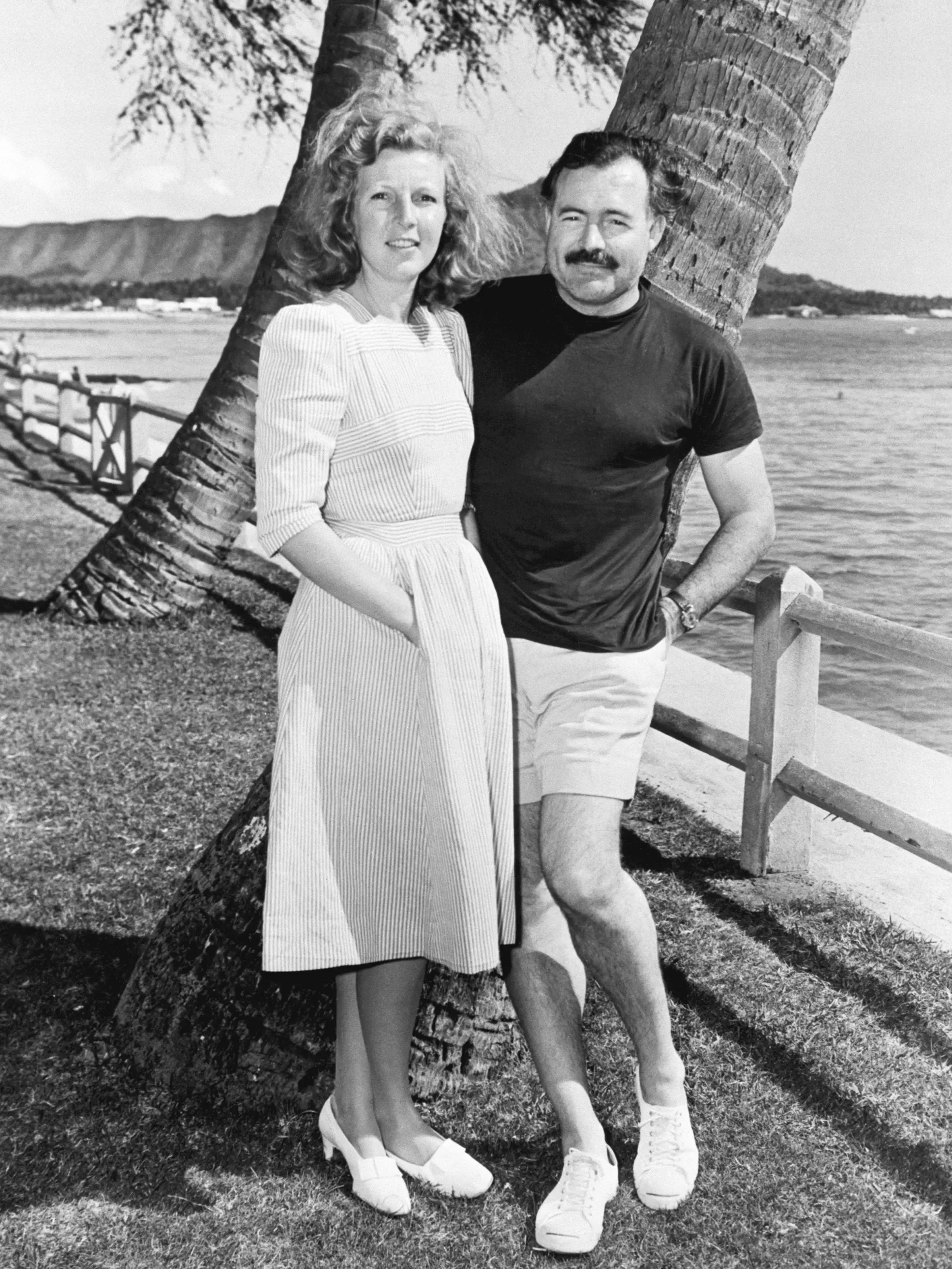
Friendship and War
Ernest Hemingway and Martha Gellhorn, circa 1940–1941. Photographer unknown.